Main Jonang Monastery
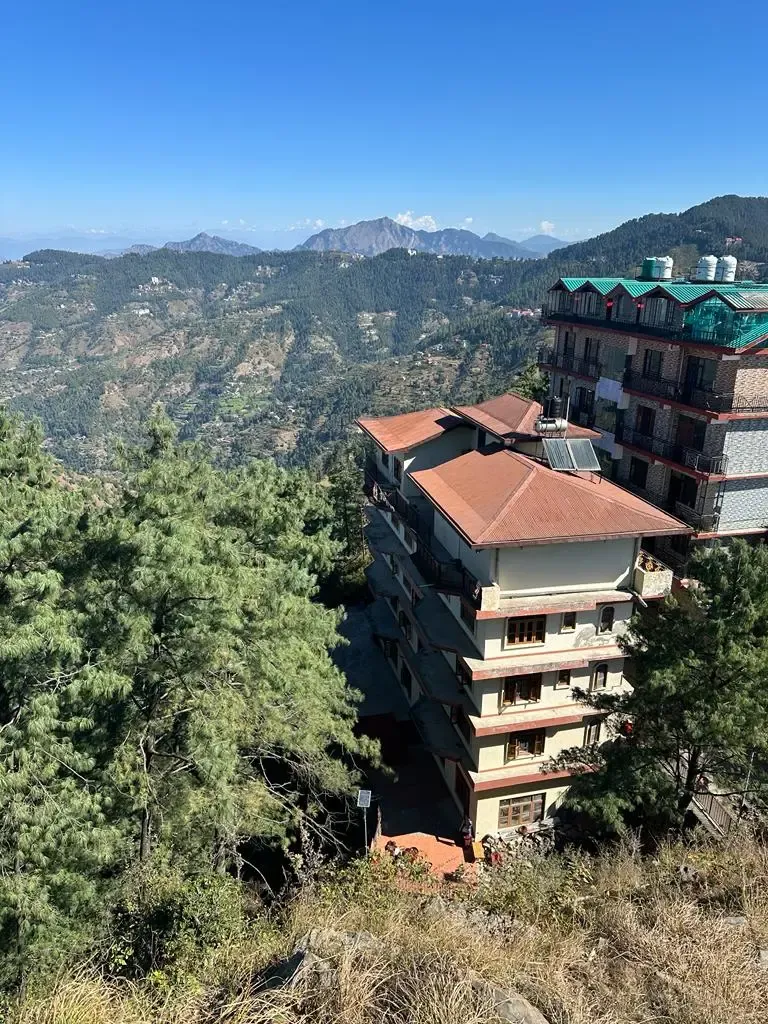
Perched on the tranquil pine ridge of Sanjauli in Shimla, Himachal Pradesh, Main Jonang Takten Phuntsok Choeling serves as the primary seat of the Jonang tradition in exile. Established in 1963 and formally consecrated by His Holiness the 14th Dalai Lama, the sanctuary safeguards the living continuity of Shentong Madhyamaka scholarship, liturgical arts, and the Kalachakra Six-fold Vajrayoga.
- • Founded on Sanjauli Ridge (1963): Established by Lama Jinpa Gyatso on the tranquil pine hills overlooking Shimla.
- • Seat Bestowal & Consecration (1990): Formally titled Main Jonang Takten Phuntsok Choeling by H.H. the 14th Dalai Lama as the primary exile seat.
- • Living Shedra & Dark Retreat: Houses an 18-year Buddhist philosophy syllabus, annual Monlam assemblies, and continuous 3.5-year Kālacakra meditation retreats.
Preserving Lineage, Scholarship, and Contemplative Practice
Main Jonang Takten Phuntsok Choeling in Sanjauli, Shimla, serves as the central seat of the Jonang tradition in exile, dedicated to preserving the definitive philosophy and the unbroken of the .
The monastery's origins trace back to the late 1960s through the tireless efforts of Lama Jinpa Gyatso and the foresight of . In 1990, His Holiness the 14th Dalai Lama formally bestowed its enduring title—Main Jonang Takten Phuntsok Choeling—establishing it as a recognized home of monastic education. The monastery later developed under the spiritual guidance of the , head of the Jonang tradition until his passing in 2012.
First Day of Tara Puja at Shimla Jonang Monastery
Annual Liturgical Assemblies, Sacred Chanting & Tara Puja at Main Jonang Takten Phuntsok Choeling

First Day of Tara Puja at Shimla Jonang Monastery
Shimla Jonang Buddhist Monastery
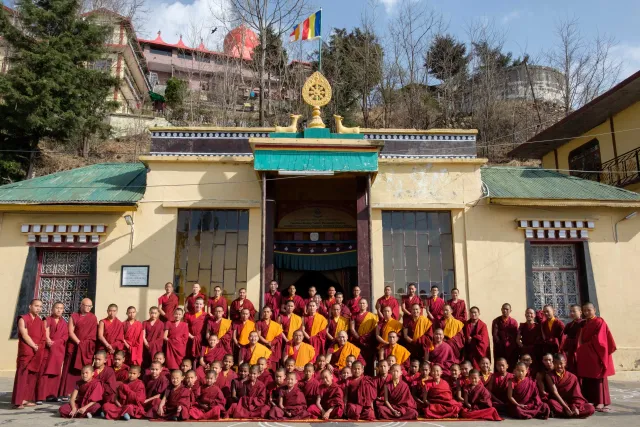
Archival ceremony recording the commencement of the annual Noble Tārā Puja (Drolma Tsokchod) at Main Jonang Takten Phuntsok Choeling in Sanjauli, Shimla. The assembly of resident Geshes, monastic scholars, and students gather in the main prayer hall to chant the Praises to the Twenty-One Tārās, sound ritual horns and instruments, and dedicate collective merit for the welfare of all beings.
Sanjauli, Shimla
Located in Sanjauli, Shimla (Himachal Pradesh, India), the monastery complex includes a main prayer hall (lhakhang), classrooms for the eighteen-year , a library of classical canonical texts, and retreat quarters for three-year Kālacakra practice.
Four Historic Visits of His Holiness the 14th Dalai Lama
Naming & Consecration
His Holiness formally bestows the title 'Main Jonang Takten Phuntsok Choeling', establishing it as the official seat in exile.
Prayer Assembly Blessing
Presided over extensive liturgical assemblies and gave advice on preserving the unique Dro lineage transmissions.
Kalachakra Empowerment
Conferred the Kālacakra initiation, affirming the monastery's custodianship of the completion-stage yogas in exile.
Monlam World Peace Prayer
Blessed the international Jonang Monlam Chenmo assembly for world harmony, lineage longevity, and ethical education.
Succession of Lineage Abbots (Khenpo Rinpoches)
Choekyi Nangpa Rinpoche
1st Lineage Abbot & Dorje LopönFirst lineage abbot of the monastery, overseeing formative expansion, shedra residency, and tantric ritual curriculum in exile. Later enthroned as Jonang Gyaltsab.
Geshe Kunga Rinchen
2nd Lineage AbbotAppointed by His Holiness the 14th Dalai Lama as second abbot, consolidating scholastic study, debate assemblies, and monastic administration.
Geshe Kunga Tsamchung
3rd Lineage AbbotDirected monastic education, liturgical disciplines, 3.5-year dark retreat cycles, and community welfare during a period of steady growth.
Kunga Choephel Rinpoche
4th & Current AbbotThe current lineage abbot appointed in accordance with the decree of His Holiness the Dalai Lama, overseeing monastic education, international centers, and sangha welfare.
Resident Sangha Demographics
The monastery provides lodging, healthcare, and monastic education for approximately 120 resident monks and staff members.
Assam & Mon Tawang
Students from Himalayan border communities enrolled in primary education and the eighteen-year shedra syllabus.
Mongolia
Monks continuing the historical affiliation established under Jetsun Tāranātha and Zanabazar, including 12 students under full monastic care.
Tibet Lineage Scholars
Scholars from eastern Tibet (Amdo and Kham) who oversee philosophical instruction in Shentong Madhyamaka and Kālacakra ritual liturgy.
Weekly Liturgical Assembly
The resident sangha conducts communal liturgies according to the monastic calendar, including the severing of ego-grasping through Machik Labdrön’s praxis, the Dro transmission of the Kālacakra liturgy, and weekend dialectical debates.
Lama Chöpa (Guru Puja) & Medicine Buddha (Menlha) Prayers
བླ་མ་མཆོད་པ་དང་སྨན་བླ།Healing, dispelling illness and spiritual obstacles, and venerating the lineage masters.
Āryasaṅghāṭasūtra (Arya Sanghata Sutra) & Kālacakra Ngöndro
འཕགས་པ་ཟུང་གི་མདོ་དང་དུས་འཁོར་སྔོན་འགྲོ།Accumulating vast transcendent merit, reciting canonical sūtras, and preliminary tantric purification.
Noble Tārā (Drolma), Sitātapatrā (Dukar) & Dharmapāla Tsokchod
སྒྲོལ་མ། གདུགས་དཀར། མགོན་པོ་དང་དཔལ་ལྡན་ལྷ་མོའི་ཚོགས་མཆོད།Averting hindrances, protective deity supplications (Mahākāla & Palden Lhamo), and compassionate activity.
Prajñāpāramitā Hṛdaya (Heart Sūtra) & Dhyāna Contemplation
ཤེས་རབ་སྙིང་པོ་དང་ཞི་གནས་བསྒོམ་པ།Subduing cognitive obscurations, realizing emptiness, and cultivating calm abiding meditation.
Machik Labdrön Chöd (Severance) & Bardo Deliverance
གཅོད་དང་བར་དོའི་སྨོན་ལམ།Severing egocentric reification through the profound Chöd cycle and dedicating merit for departed souls.
Jonang Monlam Chenmo & Shedra Dialectical Debating
ཇོ་ནང་སྨོན་ལམ་ཆེན་མོ་དང་རྩོད་པ།Universal peace aspiration prayers, Kalachakra protective mantras, and rigorous evening debate assemblies.
Annual Ceremonies and Monlam Assemblies
Major liturgical observances, monlam prayer festivals, and sacred anniversaries conducted according to the Tibetan lunar calendar, marked by 24-hour circumambulations (), continuous , and the construction of consecrated sand mandalas ().
Dharma Protector (Dharmapāla) Prayers
Tibetan New YearCommencement of the New Year with intensive invocation of protective lineage guardians (Mahākāla, Palden Lhamo) for global peace and the dispelling of adversity.
H.H. 9th Khalkha Jetsun Dampa Parinirvāṇa
Annual CommemorationSolemn prayer festival commemorating the life, realization, and legacy of the 9th Khalkha Jetsun Dampa, spiritual head of the Jonang lineage.
Tripiṭaka Chanting (Kangyur Recitation)
Chötrul Düchen DaysThe monastic assembly reads the 108 volumes of the canonical Kangyur in unison over three continuous days.
Buddha’s Birth, Enlightenment & Parinirvāṇa
Saga Dawa DüchenVast accumulation of merit with 24-hour circumambulations, butter lamp offerings, and Kālacakra sand mandala ceremonies.
First Turning of the Wheel of Dharma
Chökhor DüchenCelebrating the Buddha's first teaching of the Four Noble Truths at Sarnath with extensive dialectical debate assemblies.
Descent from the God Realm
Lhabab DüchenCommemorating the Buddha’s return to the human realm with holy confession liturgies and community sponsorships.
Monastic Study and Support
Detailed documentation of the eighteen-year shedra syllabus, teacher biographies, and monastic sponsorship.
18-Year Syllabus →
Tibetan grammar, Pramāṇa epistemology, the Five Great Treatises, and monastic ritual arts.
Resident Masters →
Biographies and historical succession of the supreme lineage heads, abbots, and resident teachers.
Monastic Giving →
Information on meal sponsorship, healthcare funds, study materials, and direct bank wire transfers.