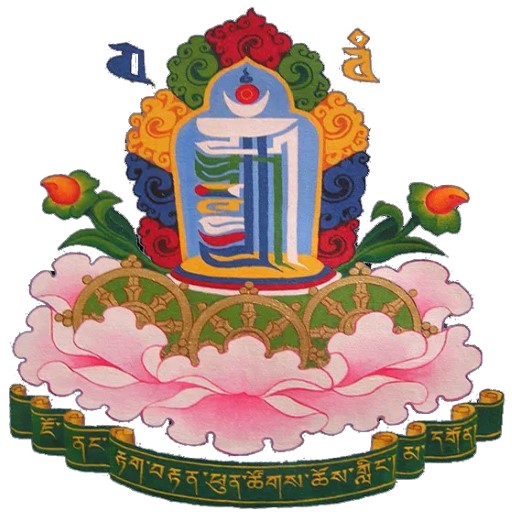
The Jonang Doctrine & Shentong View
The philosophical system of the Jonang tradition articulates the Great : conventional phenomena are empty of self-nature (), while ultimate reality—unconditioned primordial wisdom and Buddha-nature ()—is empty only of adventitious obscurations ().
- • : Third Turning Tathāgatagarbha sutras as definitive explicit meaning ().
- • Primordial Luminous Wisdom: Ultimate reality () replete with inseparable, unconditioned enlightened qualities.
- • Union of Sutra and Tantra: Philosophical matrix actualized through the (Sbyor drug).
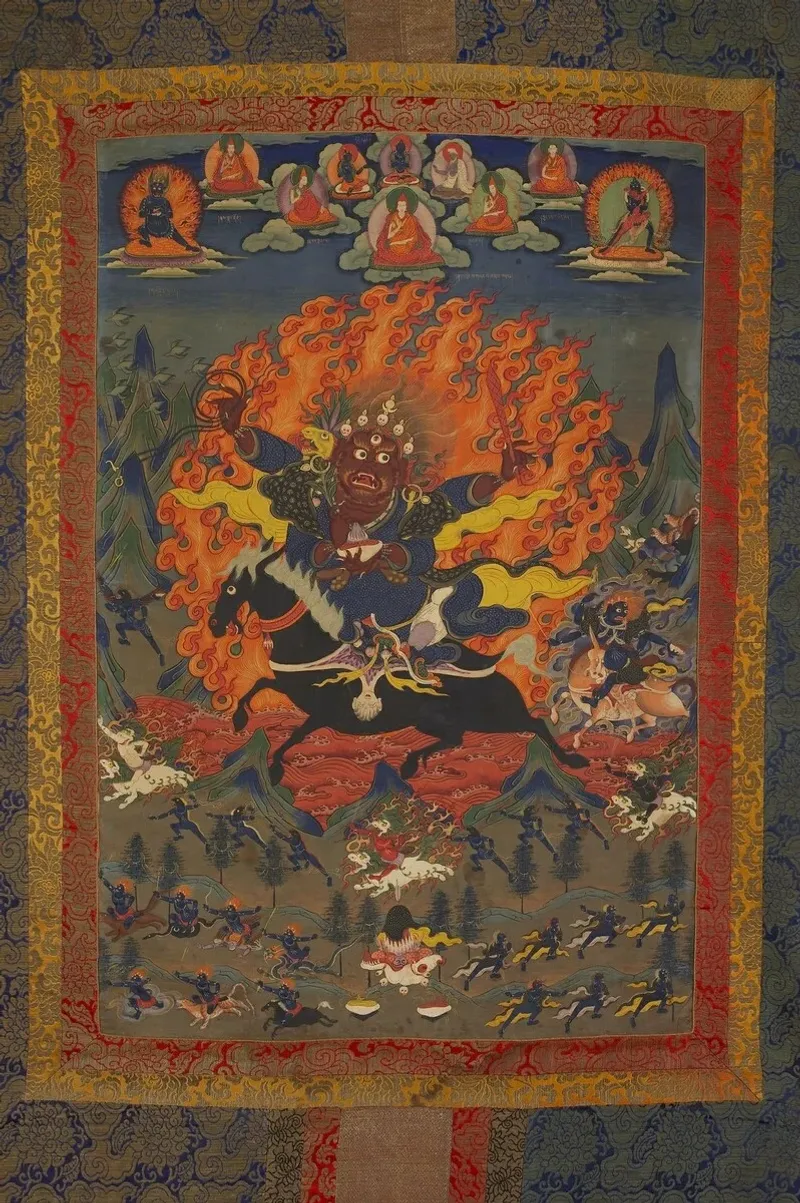
Foundational Overview of the Jonang Lineage
An introductory primer detailing foundational Buddhist tenets, the Five Tibetan Traditions, and the definitive Shentong view of ultimate Buddha-nature.
The Shentong View of Ultimate Reality
དོན་དམ་གཞན་སྟོང་གི་ལྟ་བ།The Jonang tradition articulates the framework: conventional phenomena are empty of self-nature (), whereas ultimate reality—Buddha-nature ()—is empty only of adventitious obscurations ().
In contrast to non-affirming negation (prasajya-pratiṣedha) applied across all levels of truth, Jonang texts define ultimate reality as unconditioned primordial wisdom (prabhāsvara-jñāna / ) in the expanse of reality (), endowed with reflexive awareness () and inseparable enlightened qualities (guṇa). Distinguishing the pure wisdom-ground from the ordinary storehouse consciousness (), Jonang transcends the conceptual limitations of Mind-Only () by unifying ultimate emptiness with radiant awareness.
The Three Turnings of the Dharma Wheel
The Mahāyāna sūtras are classified across three progressive hermeneutical cycles.
Four Noble Truths & Karma
བཀའ་དང་པོ་བདེན་བཞིའི་ཆོས་འཁོར།Establishes ethical discipline, causality, impermanence, and the selflessness of persons (pudgala-nairātmya) to overcome gross afflictive grasping.
Prajñāpāramitā & Non-Proliferation (Rangtong)
བཀའ་བར་པ་མཚན་ཉིད་མེད་པའི་ཆོས་འཁོར།Demonstrates that all conditioned entities, conceptual constructs, and conventional phenomena lack intrinsic, independent existence (svabhāva-śūnya).
Tathāgatagarbha & Definitive Shentong
བཀའ་ཐ་མ་ལེགས་པར་རྣམ་པར་ཕྱེ་བའི་ཆོས་འཁོར།Elucidates ultimate reality as non-dual primordial wisdom (jñāna), devoid of adventitious obscurations (gzhan stong) yet perpetually complete with inseparable enlightened qualities.
Dölpopa Biography Part 1: Realization & Jomonang
The Life of Kunkhyen Dölpopa & the Codification of Shentong Madhyamaka
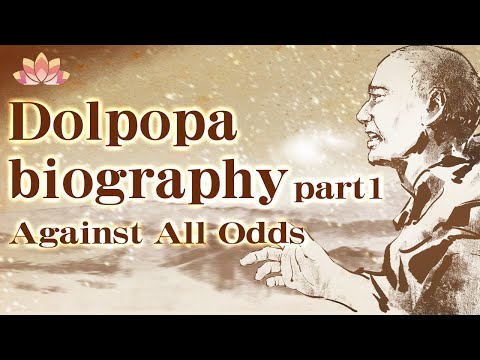
Dölpopa Biography Part 1: Realization & Jomonang
Jonang Dharma Volunteers
A biographical documentary produced by Jonang Dharma Volunteers chronicling the life of Kunkhyen Dölpopa Sherab Gyaltsen (1292–1361). From his early training in Dölpo through scholastic mastery at Sakya to his breakthrough realization at Jomonang, this documentary details his formulation of the definitive Shentong view and the consecration of the Great Kumbum.
Himalayan Origins & Sakya Scholasticism
Early training in western Tibet and comprehensive mastery of Buddhist epistemological texts and Prajñāpāramitā.
The Shentong Realization
Unfolding the definitive Third Turning view of Tathāgatagarbha and Kālacakra Six-fold Vajrayoga at Jomonang.
The Great Kumbum of Jomonang
Architectural and spiritual consecration of the monumental multi-tiered stupa (1330–1333), embodying the cosmic mandala.
Comparative Framework: Rangtong and Shentong
Jonang treatises synthesize teachings on emptiness with the Third Turning sūtras.
| Dimension | Rangtong | Shentong |
|---|---|---|
| Relative Truth (Kun rdzob) ཀུན་རྫོབ་བདེན་པ། | Empty of inherent essence (rangtong). Dependently originated, conceptual, and devoid of intrinsic nature. | Agrees completely: all conventional appearances and defilements are dependently arisen and empty of self-nature. |
| Ultimate Truth (Don dam) དོན་དམ་བདེན་པ། | Defined strictly as the negation of inherent existence; non-affirming negative (prasajya-pratiṣedha). | Definitive reality: luminous Buddha-nature (Tathāgatagarbha), empty of foreign defilements but replete with unconditioned qualities. |
| Enlightenment (Bodhi) བྱང་ཆུབ་ཀྱི་གོ་འཕང་། | Cessation of all conceptual fabrications and reification of phenomena. | The direct experiential recognition and actualization of the primordial enlightened ground that was never absent. |
Lineage Masters and Commentators
བརྒྱུད་པའི་ཤིང་རྟའི་སྲོལ་འབྱེད་རྣམས་ཀྱི་མཛད་རྣམ།Indian progenitors, translators, and Jonang omniscient masters who realized and codified the unbroken transmission of the Shentong Great Madhyamaka.
Maitreya & Asaṅga
བྱམས་པ་དང་ཐོགས་མེད། 4th Century CEIndian Lineage Progenitors
Composed the seminal treatises including the Uttaratantraśāstra (Ratnagotravibhāga) and Mahāyānasūtrālaṅkāra, founding the definitive Yogācāra-Madhyamaka synthesis of Buddha-nature.
Somanātha, Dro Lotsawa & Yumo Mikyö Dorje
ཟླ་མགོན་དང་འབྲོ་ལོ་ཙཱ་བ། ཡུ་མོ་མི་བསྐྱོད་རྡོ་རྗེ། 11th – 12th CenturyTranslators & Tantric Adepts
Translated the Kālacakra Mūlatantra and the Vimalaprabhā commentary into Tibetan. Yumo Mikyö Dorje subsequently unfolded the experiential Shentong completion-stage realization in dark retreat.
Kunkhyen Dölpopa Sherab Gyaltsen
ཀུན་མཁྱེན་དོལ་པོ་པ་ཤེས་རབ་རྒྱལ་མཚན། 1292 – 1361The Omniscient Master of Jomonang
Systematized the Shentong Great Madhyamaka in his monumental work 'Mountain Doctrine' (Ri chos nges don rgya mtsho) and constructed the Great Kumbum of Jomonang.
Jetsun Tāranātha
རྗེ་བཙུན་ཏཱ་ར་ནཱ་ཐ། 1575 – 1635Revitalizer & Tantric Polymath
Prolific historian, artist, and tantric master who founded Takten Damchö Ling Monastery and composed the definitive practice commentaries for the Kālacakra completion stage.
Zanabazar (1st Jebtsundamba Khutuktu)
རྗེ་བཙུན་དམ་པ་སྐུ་ཕྲེང་དང་པོ་ཛྙཱ་ན་བཛྲ། 1635 – 17231st Bogd Gegeen of Mongolia
Recognized as the immediate rebirth of Jetsun Tāranātha by the 5th Dalai Lama, establishing the historical transmission line between Jonang and Mongolian monastic institutions.
Integration of Dialectics & Kālacakra Completion Stage
མཚན་ཉིད་དང་རྫོགས་རིམ་གྱི་ཟུང་འབྲེལ།In the Jonang tradition, scholastic debate and deep yogic contemplation operate in inseparable tandem. Textual analysis of the Five Great Treatises and Buddhist epistemological logic () provides the conceptual grounding required for solitary .
The Shentong framework provides the direct theoretical matrix for the of the . Meditative techniques of wind control () and sensory withdrawal () in dark retreat aim directly at stabilizing and actualizing .
Bibliography on Shentong
Curated repository of canonical Mahayana sutras, classical Jonang master treatises, meditation manuals, and peer-reviewed academic publications.
| # | Title & Summary | Author / Editor | Publisher & Year | Access |
|---|---|---|---|---|
| 01 | The Buddha from Dölpo: A Study of the Life and Thought of the Tibetan Master Dölpopa Sherab Gyaltsen Master Biography The definitive biographical and doctrinal study of Kunkhyen Dolpopa, detailing the historical origins of the Shentong system and the Great Kumbum of Jomonang. | Cyrus Stearns | Snow Lion / Shambhala Publications (Dist. Penguin Random House) (2010) | WorldCat Catalog ↗ |
| 02 | The Essence of Other-Emptiness Root Translation Tāranātha’s seminal commentary synthesizing the Jonang hermeneutical framework and vindicating the Other-Emptiness view against historical misinterpretations. | Jetsun Tāranātha (Trans. Jeffrey Hopkins) | Snow Lion / Shambhala Publications (2007) | WorldCat Catalog ↗ |
| 03 | Mountain Doctrine: Tibet's Fundamental Treatise on Other-Emptiness and the Buddha-Matrix Master Treatise The monumental 832-page encyclopedic translation of Dölpopa's Ri chos nges don rgya mtsho, establishing the Shentong Great Madhyamaka through extensive canonical sūtric and tantric citations. | Dölpopa Sherab Gyaltsen (Trans. Jeffrey Hopkins) | Snow Lion Publications (2006) | WorldCat Catalog ↗ |
| 04 | The Buddha Within: Tathāgatagarbha Doctrine According to the Shentong Interpretation of the Ratnagotravibhāga Academic Monograph Pioneering academic study presenting the Shentong interpretation of Buddha-nature and the Uttaratantraśāstra (Ratnagotravibhāga). | S.K. Hookham (Lama Shenpen Hookham) | State University of New York (SUNY) Press (1991) | SUNY Press ↗ |
| 05 | The Other Emptiness: Rethinking the Zhentong Buddhist Discourse in Tibet (Includes 'The Philosophical Grounds and Literary History of Zhentong') Scholarly Anthology Comprehensive collection of modern scholarly essays mapping the historical trajectories, philosophical nuances, and lineages of Shentong across traditions. | Michael R. Sheehy & Klaus-Dieter Mathes (Eds.) | State University of New York (SUNY) Press (2019) | SUNY Press ↗ |
| 06 | The Great Middle Way: Clarifying the Jonang View of Other-Emptiness Contemporary Lineage Detailed contemporary exposition by a qualified Jonang master explaining the practical and analytical realization of Shentong. | Khentrul Jamphel Lodrö Rinpoche (Trans. Ives Waldo) | Tibetan Buddhist Rimé Institute / Dzokden (2015) | WorldCat Catalog ↗ |
| 07 | Luminous Heart: Essential Writings of Rangjung Dorje, the Third Karmapa Kagyu-Jonang Synthesis Translations of the Third Karmapa’s root texts demonstrating the harmony between Shentong and the Mahamudra view of primordial mind. | Rangjung Dorje (Trans. Karl Brunnhölzl) | Snow Lion / Shambhala Publications (Dist. Penguin Random House) (2009) | Penguin Random House ↗ |
| 08 | Maitripa's Writings on the View: The Main Indian Source of the Tibetan Views of Other Emptiness and Mahamudra Indian Sources Translations and analysis of Indian Mahasiddha Maitripa’s Amanasikara cycle, the direct precursor to Tibetan Shentong. | Maitripa (Trans. Tony Duff) | Padma Karpo Translation Committee (PKTC) (2010) | WorldCat Catalog ↗ |
| 09 | The Lion's Roar that Proclaims Zhentong Nyingma-Shentong Treatise The renowned 19th-century polymath Jamgon Mipham Rinpoche’s brilliant defense of the Great Madhyamaka of Other-Emptiness. | Ju Mipham Namgyal (Trans. Tony Duff) | Padma Karpo Translation Committee (PKTC) (2010) | WorldCat Catalog ↗ |
| 10 | Mipam on Buddha-nature: The Ground of the Nyingma Tradition Comparative Study Explores the philosophical intersection of Tathāgatagarbha, the Jonang Shentong view, and the Dzogchen framework in Mipham's writings. | Douglas S. Duckworth | State University of New York (SUNY) Press (2008) | SUNY Press ↗ |
| 11 | An Instruction to Lhajé Tsultrim Ö Direct Instructions Essential pith instruction letter composed by Dölpopa directly transmitting the realization of unconditioned luminous reality. | Dölpopa Sherab Gyaltsen (Trans. Cyrus Stearns) | Journal of the International Association of Buddhist Studies (JIABS) (Classical / Academic Edition) | Univ. Heidelberg JIABS ↗ |
| 12 | Instructions for Practicing the View of Other Emptiness Meditation Manual Practical manual of oral instructions showing how to apply the Shentong view in direct contemplative meditation. | Jamgön Kongtrul Lodrö Thaye (Trans. Tony Duff) | Padma Karpo Translation Committee (PKTC) (2011) | WorldCat Catalog ↗ |
| 13 | Opening the Wisdom Door of the Rangtong and Shentong Views Introductory Guide Accessible teachings bridging the classical Madhyamaka analytical negation with the direct realization of luminous wisdom. | Khenchen Palden Sherab & Khenpo Tsewang Dongyal Rinpoche | Dharma Samudra / Padmasambhava Buddhist Center (2007) | WorldCat Catalog ↗ |
| 14 | Prajñāpāramitā, Indian 'gzhan stong pas', and the Beginning of Tibetan gzhan stong Academic Monograph Rigorous historical-critical inquiry into the Indian roots of Shentong terminology in Sanskrit Prajñāpāramitā commentaries. | Karl Brunnhölzl | Arbeitskreis für Tibetische und Buddhistische Studien, Universität Wien (WSTB 74) (2011) | Univ. Wien ISTB ↗ |
| 15 | A Juggernaut of the Non-Dual View: Ultimate Teachings of the Second Drukchen Gyalwang Je Lineage Treatise Exploration of the Second Drukchen Rinpoche’s teachings affirming the non-dual luminous nature of awareness. | Tony Duff | Padma Karpo Translation Committee (PKTC) (2011) | WorldCat Catalog ↗ |
| 16 | The Sutra of Queen Śrīmālā of the Lion's Roar (Śrīmālādevī Siṃhanāda Sūtra) Canonical Scripture One of the supreme Third Turning Tathagatagarbha scriptures demonstrating that Buddha-nature is present in all sentient beings. | Canonical Mahayana Sutra (Trans. Diana M. Paul) | Bukkyo Dendo Kyokai (BDK America) (2004) | WorldCat Catalog ↗ |
| 17 | The Theory and Practice of Other Emptiness Taught Through Milarepa's Songs Yogic Songs & Manual Exposition of the spontaneous realization songs (dohās) of Jetsun Milarepa in light of the Shentong contemplative view. | Tony Duff (Milarepa) | Padma Karpo Translation Committee (PKTC) (2011) | WorldCat Catalog ↗ |
| 18 | The Dharma Handbook with Commentary (on Dölpopa's General Commentary on the Doctrine) Contemporary Commentary Practical manual and commentary contextualizing Dölpopa's Bstan pa spyi 'grel for modern practitioners. | Ven. Tashi Nyima | Universal Compassion / Great Middle Way (2018) | Great Middle Way ↗ |
| 19 | Rangtong & Shentong Views: A Brief Explanation of the One Taste of the Second and Third Turnings Philosophical Synthesis Concise root text demonstrating the unified non-contradictory intention behind both turning cycles of the Wheel of Dharma. | Jamgön Kongtrul Lodrö Thaye (Trans. Tony Duff) | Padma Karpo Translation Committee (Classical / PKTC) | PKTC Official ↗ |
| 20 | Dölpopa's Mountain Dharma: The Birth of the Shentong View Lineage Commentary In-depth commentary by a contemporary scholar analyzing the historical and contemplative genesis of Dölpopa's Shentong formulation. | Khenchen Thrangu Rinpoche | Namo Buddha Publications (2004) | WorldCat Catalog ↗ |
No Publications Matched Your Search
No publications correspond to the current search query or category selection.
This bibliography was curated and compiled by Jens Näsström for academic and contemplative study. All excerpted titles, descriptions, and catalog references are presented for non-commercial educational research purposes under standard scholarly fair use. All copyrights to translated treatises, commentaries, and editions remain the intellectual property of their respective translators, editors, and publishers (including Snow Lion / Shambhala Publications, State University of New York Press, Padma Karpo Translation Committee, and BDK America).