History
Jonang emerges clearly in the thirteenth century, flourishes through masters like Dolpopa and Taranatha, and then survives a period of suppression by continuing in eastern Tibetan regions.
The Jonang tradition can feel dense at first because it brings together difficult philosophy, advanced tantric practice, and a complicated political history. The simplest way in is to treat it as a living tradition with three defining features.
Jonang emerges clearly in the thirteenth century, flourishes through masters like Dolpopa and Taranatha, and then survives a period of suppression by continuing in eastern Tibetan regions.
The tradition is known for Zhentong, a way of speaking about ultimate reality as empty of obscurations yet radiant with awakened qualities.
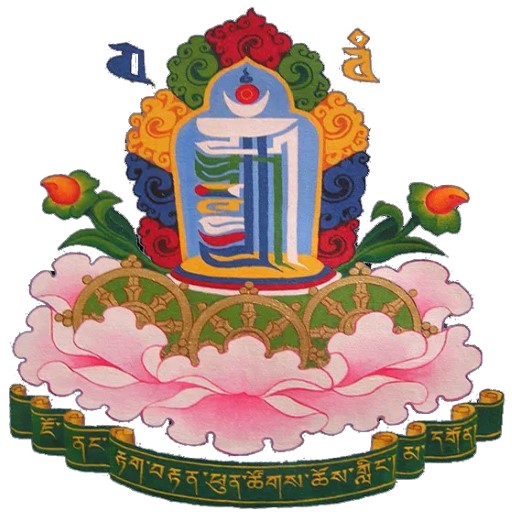
Jonang is deeply associated with the Kalachakra Tantra, especially its completion-stage yogas and retreat-based contemplative path.
If you are new, begin with the broad pages first and only then move into the more technical material. The site is designed so that accessible summaries lead naturally into deeper sections rather than requiring you to master vocabulary at the start.
Start here if you want to understand the living community in Shimla, its abbots, students, and educational life.
Go here for the best high-level overview of history, Zhentong philosophy, suppression, survival, and revival.
Read this when you want to understand why Jonang is so closely linked with Kalachakra and completion-stage practice.
Use this page to see how study, ritual, retreat, and modern subjects fit together in one monastic path.